
The Hidden Consequences of Improper Window Flashing on Your Home's Integrity
- dstritch
- Aug 16, 2025
- 4 min read
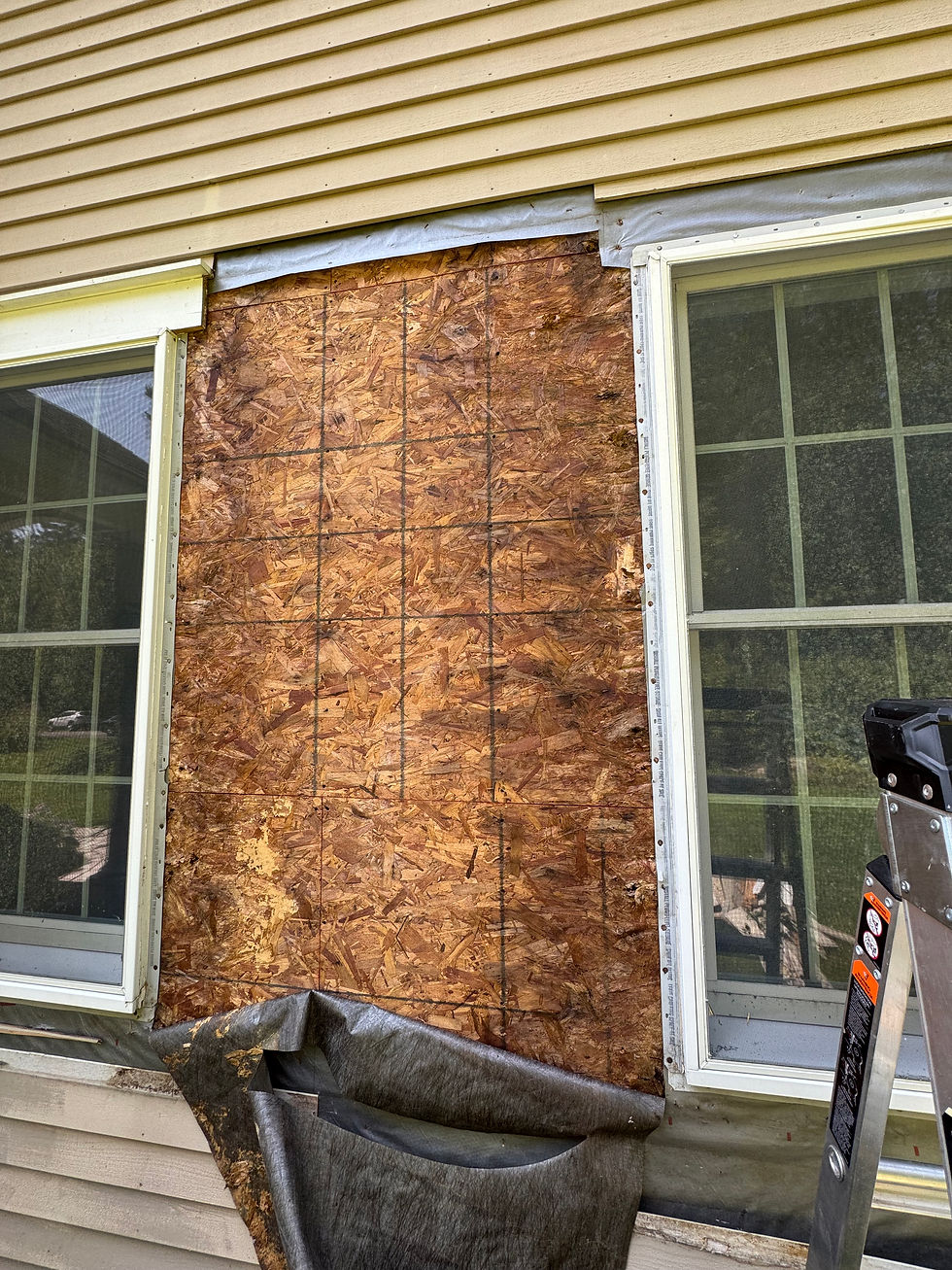

When it comes to home construction and maintenance, many homeowners overlook the role of proper window flashing. This seemingly small detail can have significant consequences for the overall integrity of your home. Research indicates that nearly 60% of water-related damage in houses can be traced back to improper flashing. In this blog post, we will discuss what happens when windows aren't flashed correctly, the potential impacts, and how to keep your home safe and sound.
Understanding Window Flashing
Window flashing is a vital element of a building's weatherproofing system. It involves thin pieces of material, typically made of metal or plastic, installed around windows to direct water away from the openings. Proper flashing prevents moisture from seeping into walls, which can ultimately lead to extensive damage.
When done right, flashing creates a protective barrier that channels rainwater away from the window and directs it to the exterior, keeping your home dry and structurally sound.
The Risks of Improper Flashing
When window flashing is incorrectly installed, the consequences can be dire. Here are some of the most common results of improper flashing:
Water Damage
Improper window flashing can immediately lead to water damage. For example, if rainwater enters the walls, it can cause mold growth, wood rot, and structural damage. According to a study by the National Institute of Building Sciences, homeowners spend an average of $5,000 to $10,000 on water damage repairs. Over time, continuous neglect can compromise your home’s integrity and lead to much higher repair costs.
Mold Growth
Mold loves damp places. Improper flashing can create ideal conditions for mold to flourish around your windows. Not only can mold damage your home, but it can also lead to serious health risks. The Centers for Disease Control and Prevention (CDC) lists respiratory issues and allergic reactions as common health concerns linked to mold exposure.
Increased Energy Costs
Poor flashing can lead to air leaks. This means drafts will sneak into your home, forcing your heating and cooling systems to work harder to keep your spaces comfortable. A study revealed that air leaks can raise your energy bills by 20% to 30%.
Decreased Home Value
If your home suffers from water damage, mold, or structural problems, its value will likely drop. In a competitive real estate market, potential buyers may be dissuaded by visible flashing issues or signs of neglect, making it essential to address any problems before attempting to sell your home.
Signs of Improper Window Flashing
Knowing the signs of improper window flashing can help you catch potential issues early, preventing further damage. Here are some indicators to look for:
Water Stains
Monitor for water stains on walls or ceilings near windows. These stains indicate that moisture may be entering due to improper flashing, signaling a potentially larger issue.
Peeling Paint or Wallpaper
Peeling paint or wallpaper around windows often points to moisture intrusion, which could be the result of inadequate flashing.
Mold or Mildew
The presence of mold or mildew is a clear sign that moisture is getting in. If you notice any signs of mold, it's crucial to address the issue right away to protect your health and home.
Drafts
Experiencing drafts near windows? This could indicate that your flashing isn't working properly. Not only does this cause discomfort, but it can also lead to increased energy costs.
How to Ensure Proper Window Flashing
To avoid the repercussions of poor window flashing, follow these essential steps to ensure your windows are correctly flashed:
Hire a Professional
When installing new windows or replacing existing ones, it’s advisable to hire a seasoned contractor who knows the ins and outs of proper flashing. An experienced professional will understand the critical nature of this component and ensure the job is done right.
Regular Inspections
Conduct regular inspections of your windows and flashing. Check for any signs of wear and address issues promptly. A simple inspection can save you from costly repairs down the line.
Use Quality Materials
Invest in high-quality materials for flashing. Cheaper options may not offer the same level of protection, which can lead to larger problems over time.
Follow Manufacturer Guidelines
Always adhere to the manufacturer’s instructions for window installation and flashing. This helps ensure that everything is installed correctly, maximizing the effectiveness of the flashing.
Protecting Your Home's Integrity
Improper window flashing can have serious consequences, including water damage, mold growth, rising energy costs, and decreased home value. By understanding the critical role of flashing and taking proactive measures to ensure it is installed correctly, you safeguard your home from these hidden dangers. Regular inspections, hiring skilled professionals, and using quality materials are all key to maintaining your home's integrity. Don't overlook this essential aspect of home maintenance—your safety and your home's value depend on it.


Comments